In Rio Grande do Sul, the soybean planting is still at a slow pace. On the other hand, corn planting continues to advance in the state of Rio Grande do Sul. Data on both crops are included in the weekly bulletin released by Emater-RS.
+ What are the impacts of the rains on the current grain harvest?
Rio Grande do Sul has been authorized by the agricultural zoning of climatological risk to sow soybeans since October 11, but producers are cautious and delaying planting. This is because this is expected to be another year with the incidence of La Niña phenomenon.
Given this climatic requirement, early planting of the oilseed means that flowering occurs in December, when rainfall levels may be lower than expected. Another factor is that temperatures are still low in the southern state, which delays germination.
In the Bagé region, specifically the lack of rain slowed down soil preparation. Thus, the state plans to plant 6,5 million hectares with soybeans and, thus, return to the mark of 20 million tons.
Soybeans, corn and winter crops
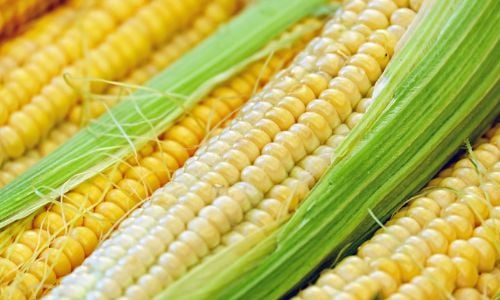
Photo: Canva
No corn, sowing reaches 70% of the areas and it also has a slow pace, especially in the north of Rio Grande do Sul, where it rained a lot. In the regions of Ijuí and Passo Fundo, sowing exceeds 92%. In Erechim, planting has been completed.
Finally, in winter crops, good development of the wheat, canola, barley and oats. This confirms the high productivity expected.
__________
Get first-hand information about agriculture, livestock, economy and weather forecasts. Click here and follow Via Rústico on Google News.
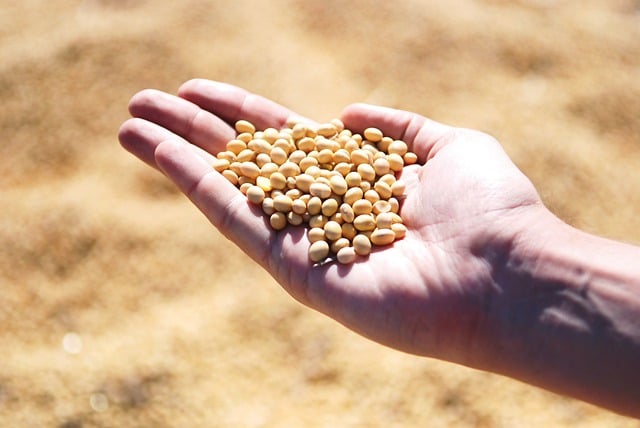
Photo: Pixabay
About the author