Photo: reproduction/Twitter
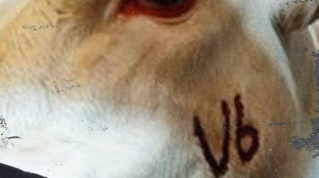
If it depends on federal deputy Célio Studart, from the PSD of Ceará, rural producers will no longer be able to mark their livestock with a hot iron. Last week, the parliamentarian presented a bill that prohibits such practice.
+ Rural producers protest against tax on 'bull belching'
Studart's proposal is contained in the PL 2.658 of 2022 and refers, in the words of the deputy, to animals considered “for production”. “It is not enough that they suffer, often being deprived of their freedom, they still have to be branded with coals”, stated the politician from Ceará said on his Twitter profile. “This has to end!” he continued.
“It is clear that branding with a hot iron — which causes unnecessary suffering to the animal — can be replaced by other forms of branding that cause less or no pain,” argues Studart in an excerpt from the project, which was submitted to the board of directors of the Chamber of Deputies on Thursday (20).
Célio Studart re-elected

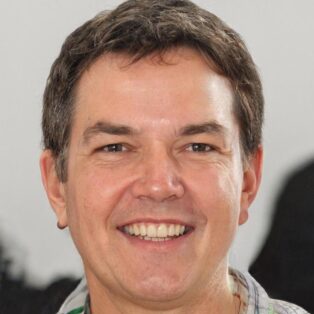
Federalist deputy Célio Studart | Photo: Chamber of Deputies
Elected federal deputy in 2018, Célio Studart was reelected in this year's general elections. In the 2022 election, he received 205.106 votes — making him the third most voted candidate in Ceará for the legislative branch.
_________
Get first-hand information about agriculture, livestock, economy and weather forecasts. Click here and follow Ducto Rústico on Google News.
About the author