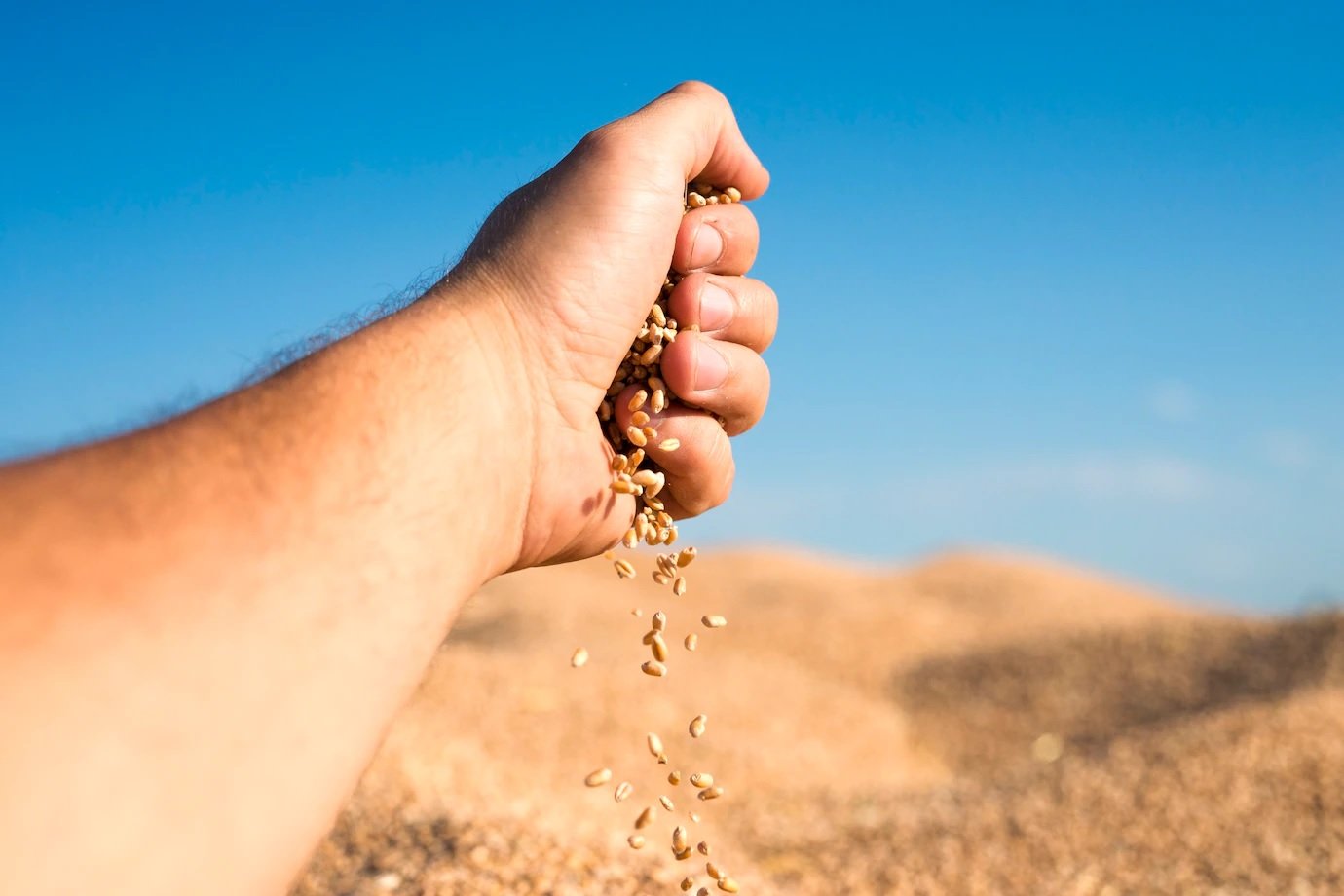
Photo: Freepik
The combination of cold fronts and areas of instability in the first half of October caused widespread rains in Paraná and Santa Catarina, reaching more than 300 millimeters in important producing areas. Excessive precipitation ended up partially damaging the management, maturation and harvesting of the wheat of the 2021/22 harvest. The study is from the Agricultural Monitoring Bulletin (BMA), published by the National Supply Company (Conab), last Thursday (20). In addition to wheat, other grain crops were analyzed in the period from October 1 to 15, 2022.
+ Did you see this? Corn under the rain: floods destroy crops
Excessive rainfall raises concerns about the decline in quality due to excess moisture in wheat grains in the South region and in São Paulo — where 80% of the areas were harvested by the end of the first fortnight of October. In Paraná, for example, the total harvested area is over 50% and, despite the production potential having been impacted by drought in previous phases, the average yield is satisfactory. In Rio Grande do Sul and Santa Catarina, the harvest has already begun (3%), despite frequent rains having restricted operations.
Grains in the 2022/23 harvest
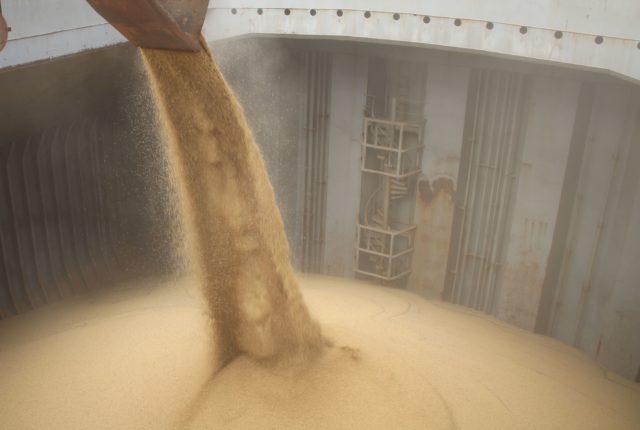
Photo: Fabio Scremin/APPA
For grain crops in the 2022/23 harvest, it was observed that rainfall favored the sowing of soybean in Mato Grosso and Paraná. However, excess moisture is delaying this stage in São Paulo, Santa Catarina and Mato Grosso do Sul. In Minas Gerais and Bahia, planting began in early October, after the end of the sanitary gap. In the Matopiba region, soybean sowing was likely to begin exclusively in irrigated areas due to low soil moisture.
In the case of corn 1nd harvest, sowing evolves quickly, reaching 74% of the estimated size in Rio Grande do Sul and 75% in Paraná, with emphasis on the regions of Ponta Grossa, Guarapuava/Irati and Pato Branco. However, planting continues at a slow pace in São Paulo and Santa Catarina, mainly due to excess humidity. Planting is also progressing slowly in Goiás, where producers have given priority to soybeans.
During the period analyzed, the highest rainfall accumulations occurred in the Northern and Southern regions of Brazil. In the Northern region, rainfall levels were highest in western Amazonas, Rondônia, Pará and Acre. Heavy rainfall also occurred in the Central-West and Southeast regions, where areas of instability associated with heat and humidity resulted in up to 200 mm in western Mato Grosso and southwest Mato Grosso do Sul.
Meanwhile, little or no precipitation was observed in the Northeast region, which includes the Sealba and Matopiba regions. The scenario benefited the maturation and harvest of beans and third-crop corn in Sealba. The study is the result of collaboration between Conab, the National Institute of Meteorology (Inmet) and the Global Crop Monitoring Group (Glam), in addition to collaborating agents who contributed data researched in the field.
_______
Get first-hand information about farming, livestock, economy and weather forecasts. Click here and follow Via Rústico on Google News.
About the author