A project launched in Rio Grande do Sul seeks to improve the health of sheep herd.
The objective is to reduce the incidence of three important diseases and reduce the discarding of carcasses in slaughterhouses.
The initiative is a partnership between Secretariat of Agriculture, Livestock and Rural Development (Seapdr) with the city hall of Alegrete, Federal University of Pampa (Unipampa Uruguaiana) and Regional University Center of Campanha (Urcamp Alegrete), in addition to Emater and the Health Coordination of Rio Grande do Sul.
The objective is to reduce the incidence of hydatidosis, cysticercosis and sarcocystosis in animals, through health education actions in some selected communities in the interior of the municipality of Alegrete.
“The idea for the project came from data on sheep slaughter in the municipality, which showed a significant rate of carcass disposal in slaughterhouses, under state inspection, due to problems with these diseases,” says Regional Supervisor of Alegrete of Seapdr, Karin Vasconcellos Silva.
After the two-year period and given the results obtained, the project should be extended to the entire sheep herd in the state.
The methodology used will be to visit selected properties with the highest incidence of these diseases, to apply questionnaires about the situation, to apply deworming to dogs and also to implement health education measures such as changing habits in dealing with animals and using water, in addition to adopting preventive practices.
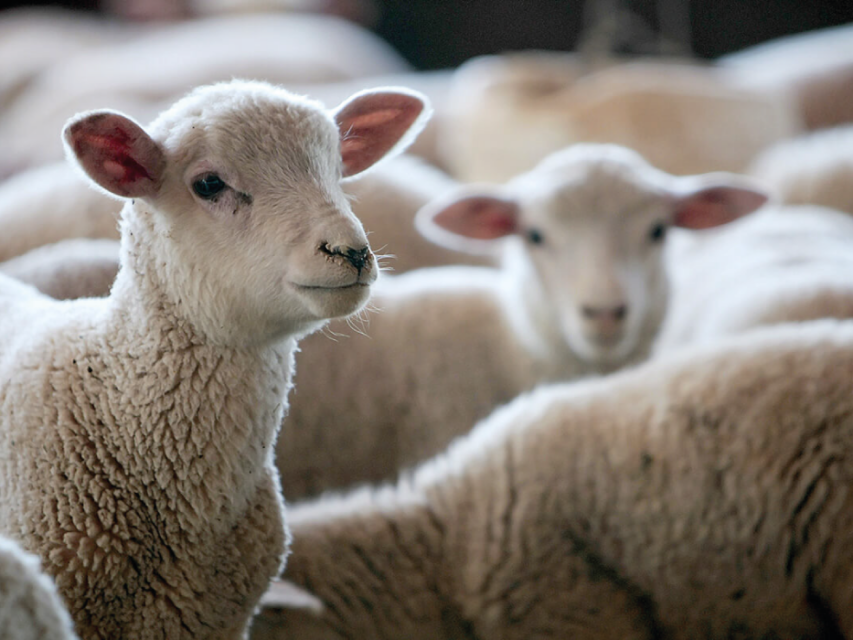
Sheep
O Rio Grande do Sul has the second largest sheep herd in Brazil, only behind Bahia.
According to the Brazilian Institute of Geography and Statistics (IBGE), there are just over 3 million heads.
The visits will be carried out every four months, for 24 months. “The ultimate goal is to reduce the incidence of these diseases and the consequent reduction in economic losses due to the condemnation of carcasses in slaughterhouses,” highlights Karin.
About the author