The physical market for beef cattle had another weak day this thursday (20).
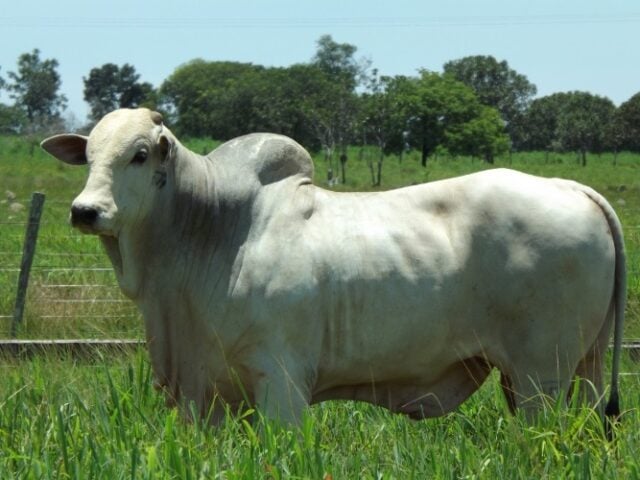
Photo: Giro do Boi
According to the analyst of Crops & Market Fernando Henrique Iglesias meatpacking plants continue to try to acquire cattle at prices below the reference, even in São Paulo.
“The meatpacking plants that are authorized to export to China are attempting to buy below the average reference price. This movement has a lot to do with the devaluation of the Yuan in the international market, which has led Chinese importers to renegotiate import contracts,” says Iglesias.
In the Center-North of the country, the bias is also towards falling prices in the short term, in line with the still comfortable position of slaughter scales, which serve between 7 and 10 business days of the schedule. Meanwhile, slaughterhouses authorized to export to China have been acting more timidly in the market. Thus, an upward movement may only occur in the last two months, but in a moderate manner, without repeating the explosive movements seen in previous years
Meanwhile, meatpacking plants authorized to export to China have been acting more timidly in the market. Thus, an upward movement may only occur in the last two months, but in a moderate manner, without repeating the explosive movements seen in previous years.
Thus, in São Paulo (SP), the reference for the price of beef was £ 284. In Dourados (MS), the price fell to R$ 266.
At the same time, in Cuiabá (MT), the price of beef cattle ended the day at 254 BRL. Simultaneously, in Uberaba (MG), prices were at 287 BRL.
In Goiânia (GO), the arroba continued to be quoted at £ 262.
Beef: wholesale market
The wholesale market for beef cattle continues with affordable prices.
According to Iglesias, the business environment once again suggests some fall in prices in the short term, in line with the slower replacement between wholesale and retail during the second half of the month, a period that has greater appeal for consumption.
So the front room was priced at R$ 16 per kilo. The needle tip was priced at £ 15,80.
Finally, the hindquarter of the ox was priced at 21,25 BRL per kilo.
About the author