Is planting oranges still worth it?
In Brazil, is planting oranges still worth it? We must remember, to answer this question, that orange is, by far, one of the most consumed national fruits by the population.
It is believed that the fruit arrived in Brazil by the Portuguese around 1530.
They used vitamin C-rich oranges to control scurvy, which killed the crew.
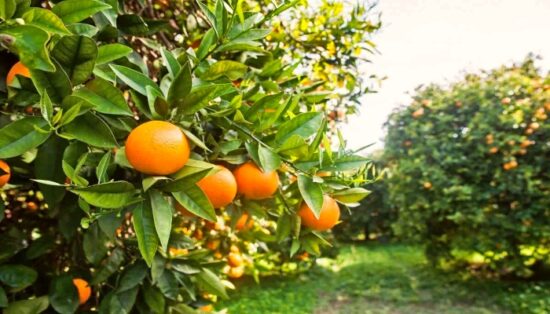
Is planting oranges still worth it?
The fruit comes from the orange tree, which is a large tree from the Rutaceae family.
Tangerines come from a hybrid of tangerine and cimboa, a sweet and tart fruit.
Therefore, even today, it is the most common fruit in Brazil and is part of the daily lives of many Brazilians.
When oranges produced in Brazil entered the export list in the late 1980s, fruit producers were ecstatic with the results.
It is considered a high quality product and has received several quality seals for export, mainly to the North American market.
But how is the company's performance and profitability today, in this productive and important sector of Brazilian agriculture? In other words, is planting oranges still worth it?
In 2012, the market was hit hard by a super-depleted harvest and there was no consumer market to meet production needs.
At the time, citrus growers, without having much choice, left their fruits in the orchards and they rotted, due to an overproduction of 83 million boxes and questioning the future of the activity in the country.
Citrus farming seemed to be in the opposite direction to other agricultural crops.
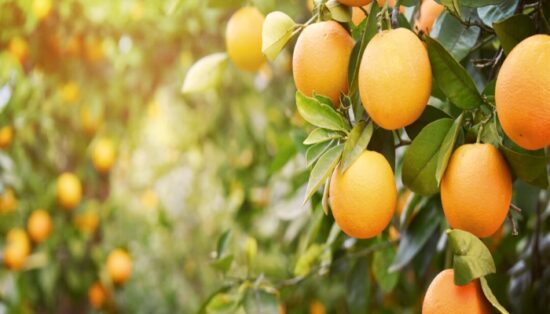
orange plantation
The good results already documented in the field, through the success of actions such as pest control, increased production and production management according to the climate, improved the productivity and performance of the orchard, but this did not mean an increase in profits.
Brazil accounts for 50% of world juice production and more than 95% of its production is exported. This means that our best products are not available for our consumption. The orange harvest turned into juice, leaving 5% of production.
The 2019 numbers show the largest orange producers in the world, in descending order:
1st Brazil
2nd China European Union
3rd United States
4th Mexico
5th Egypt
6th South Africa
In 2020, things changed. Internal and external consumption is growing, and demand has made oranges a good business again.
It was a very good year for Brazilian citrus growers with an excellent harvest, but they face significant difficulties in marketing their product due to the drop in global consumption of orange juice demanded by the pandemic.
Currently, and for several years, the state of São Paulo is the world's largest producer of fruits and juices.
This means that 77% of Brazil's oranges and juices are produced in São Paulo.
Expectations for the production and sale of oranges in 2022 are the best.
Given the low initial production of the 22/23 harvest, the outlook is for high industrial demand to replace stocks.
This expectation began to be reflected in firm prices in recent weeks, when boxes of industrial oranges were still competitively priced on the market.

The selling price of fresh fruit makes producers satisfied with the fruit's performance.
In the US and Europe, orange production in the 21/22 harvest is also expected to fall due to bad weather.
Mexico and Turkey, important countries in the citrus world, will increase their harvests by 15% and 40% respectively this season, which will increase their share of the global orange juice market.
In Brazil, an abundant harvest is expected to compensate for the significant reductions observed in the two previous harvests.
The rains in the citrus belt are favorable for flowering and fruiting, but it is too early to say whether they will reverse the effects of the prolonged drought in 2020 and 2021.
The São Paulo harvest is delayed and there may be low demand for the fruit on the domestic market in the first 3 months of the year.
Despite satisfactory prices, the low yields of past harvests affected producers' profitability, according to advice from agribusiness experts.
As a result, citrus growers should choose to invest in existing orchards rather than expanding or forming new cultivation areas.
Investments in the implementation of irrigation and photovoltaic energy systems must be analyzed, especially at this time, to reduce imminent and ongoing climate risks that are severely impacting production in the main citrus producing areas.
Read also Agro Business
Did you like the post?
Leave your comments!
About the author